
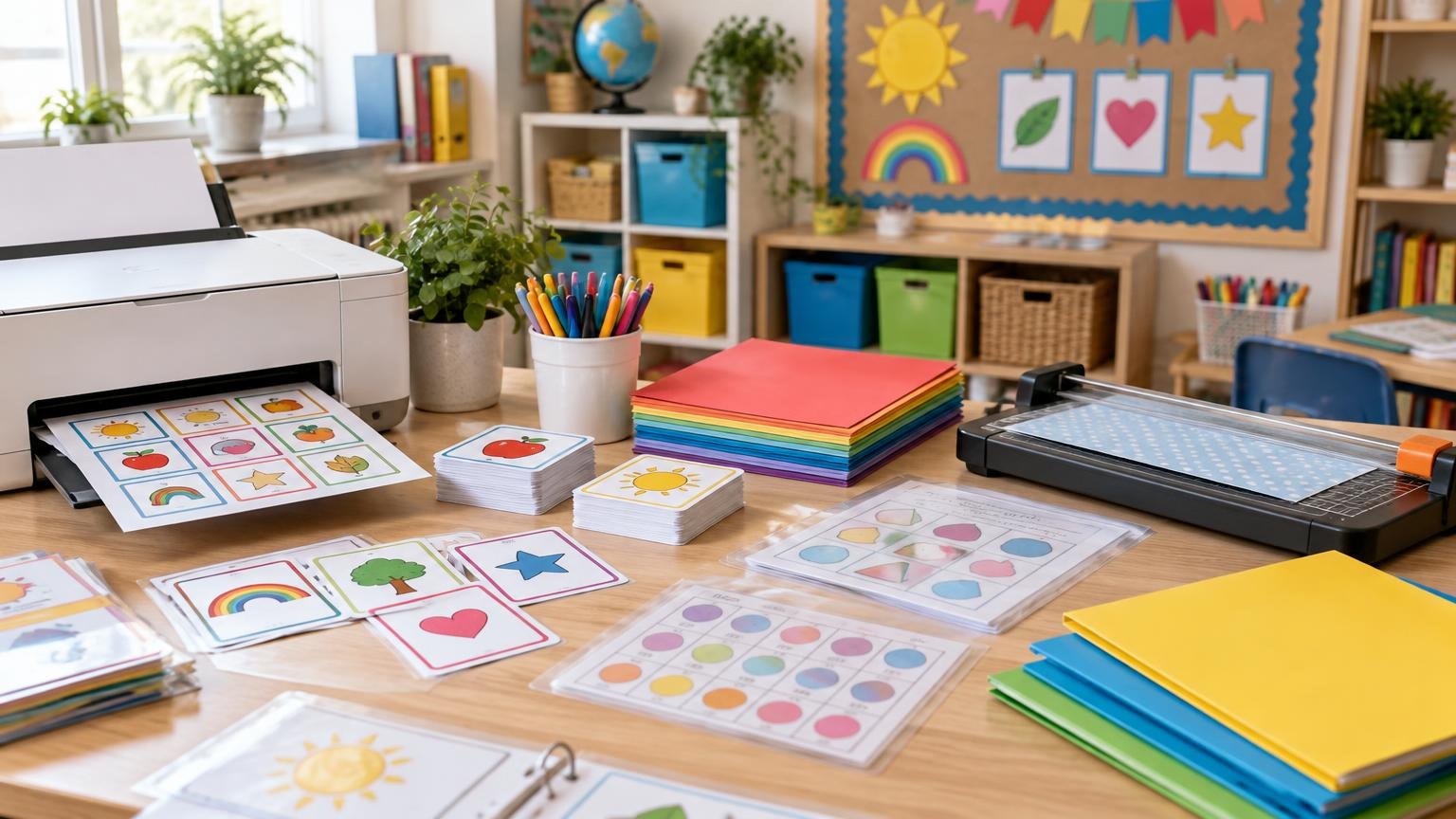
Educational Printables and Classroom Printing Guides
Make learning materials more readable, durable, organized, and reusable with practical guidance for teachers, parents, homeschoolers, and childcare providers.
Educational Printables and Classroom Printing Guides
Kinder Printables helps teachers, school staff, parents, homeschool families, childcare providers, tutors, and volunteer groups make educational printables work better in real settings. The focus is not only what appears on the page, but how clearly it prints, how comfortably children can handle it, and how easily adults can prepare, organize, store, and reproduce it without turning routine prep into unnecessary extra work.
A useful printable is a small production project. Paper weight affects handling; cardstock can strengthen cards and frequently used pieces; lamination adds wipeability but also stiffness, glare, cost, and bulk. This publication covers those tradeoffs alongside sizing, margins, duplex printing, cutting, corner shapes, binding, labels, and storage, with practical attention to preparation time and material waste. Printer limits and available workspace matter just as much.
Coverage includes flash cards, reusable worksheets, activity sheets, classroom games, reward and routine charts, signs, bulletin-board displays, take-home materials, and school-event projects. It also examines when a home printer is the sensible choice and when quantity, finish, consistency, cutting, or time may make professional production worth considering. The aim is a workable decision, not a one-size-fits-all rule. Budget and realistic turnaround remain part of every comparison.
Latest practical guides
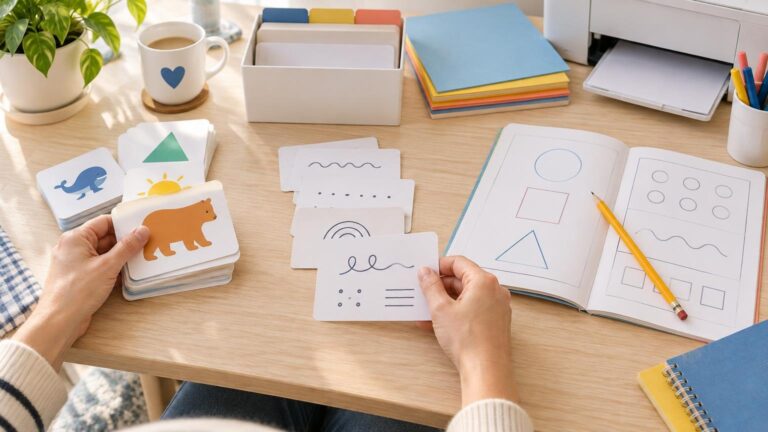
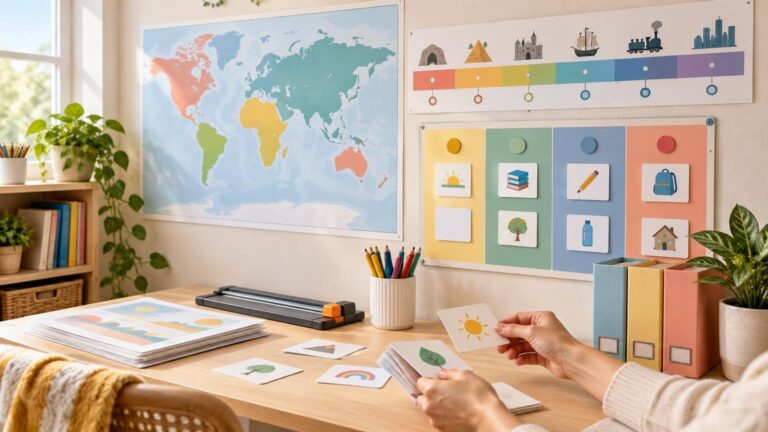
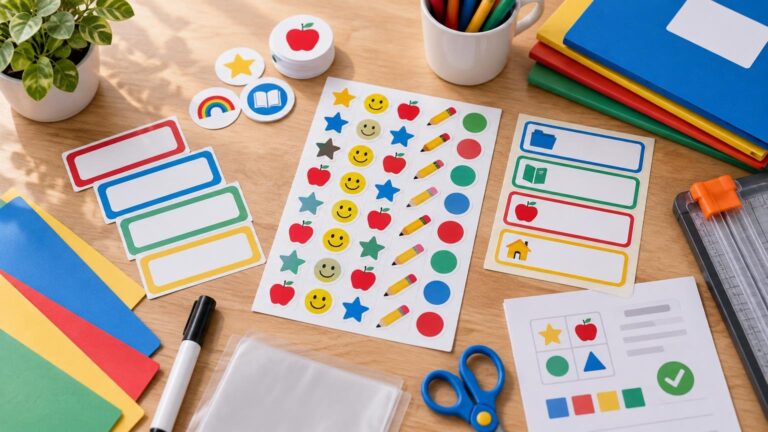
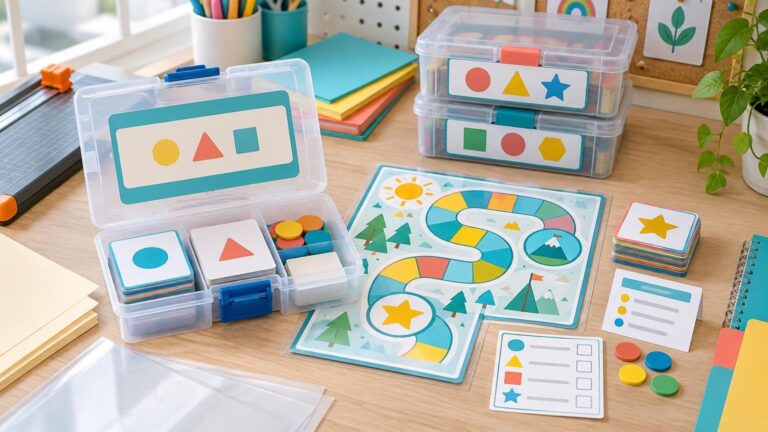
Better materials start with practical choices
Printing decisions should match the job. A worksheet intended for one lesson does not need the same protection as a checklist used every day, and a label for a folder faces different demands from one placed on a bottle or storage bin. Guides here keep cost, durability, readability, handling, and cleanup in view so readers can choose without overbuilding a simple resource. The best option is the one suited to actual use. It also helps distinguish a quick handout from a reusable tool.
Use Kinder Printables as a planning desk for the physical side of learning materials. Start with the finished use case: who will handle the item, how often it will be used, whether it must be written on or cleaned, and where it will live afterward. From there, choose the simplest paper, finish, print method, and storage plan that can do the job reliably. That sequence makes repeat batches easier to manage and adjust. A clear test copy is often more useful than committing to a large batch before dimensions and workflow are settled.